
Jump to content
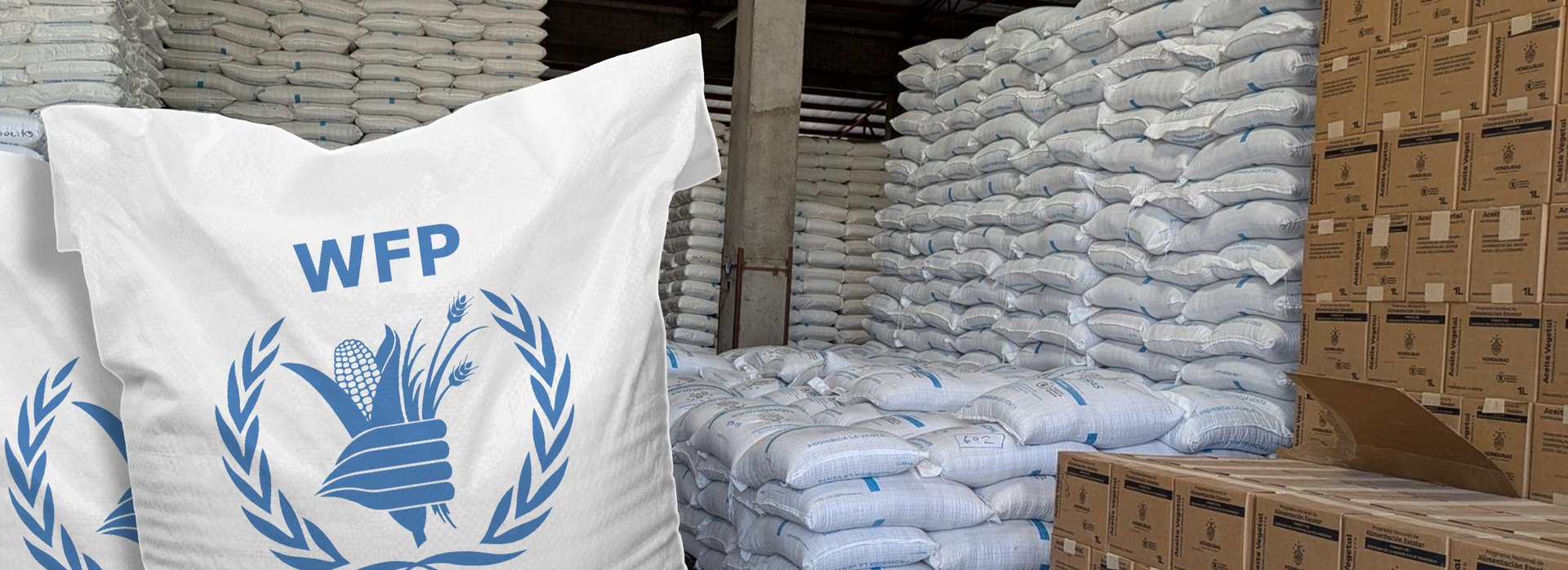
Das Bild zeigt gefüllte Getreidesäcke, die in einem Warenlager aufeinandergestapelt liegen..

Date: 2025.10.16

Every year, the United Nations World Food Programme (WFP) provides food to millions of people and offers support in crisis regions. To ensure that this aid is used effectively and in a targeted manner, the German SAI has been auditing the activities carried out by WFP since 2022 – on behalf of the United Nations and in collaboration with international partners.

In the following interview, our President, Kay Scheller, talks about the challenges of being an external auditor, funding pressure in times of increasing crises, and how independent audit work can contribute to greater transparency and trust.
Mr Scheller, how do you see the current situation at WFP?

President Scheller: The situation is serious. WFP’s budget was reduced by nearly 50 per cent compared to 2022 – from $14 billion to around $7 billion. At the same time, crises are intensifying: armed conflicts, climate disasters and food shortages. The need for humanitarian aid is growing. WFP is therefore required to do more with fewer resources – do more with less. To achieve this, structured processes, clear responsibilities, and above all, effective controls are essential.

Could you elaborate on that?

President Scheller: Over 90 per cent of aid projects are implemented by WFP’s cooperating partners. These partners must be subject to effective oversight – right down to the last mile, reaching the intended recipients. In Ethiopia, however, there were cases where funds were misused, despite proper control mechanisms being in place. In light of this, we emphasise that WFP does not need more control, but rather a more efficient control. We are committed to supporting this effort.

How important is it for auditors to be on site regularly?

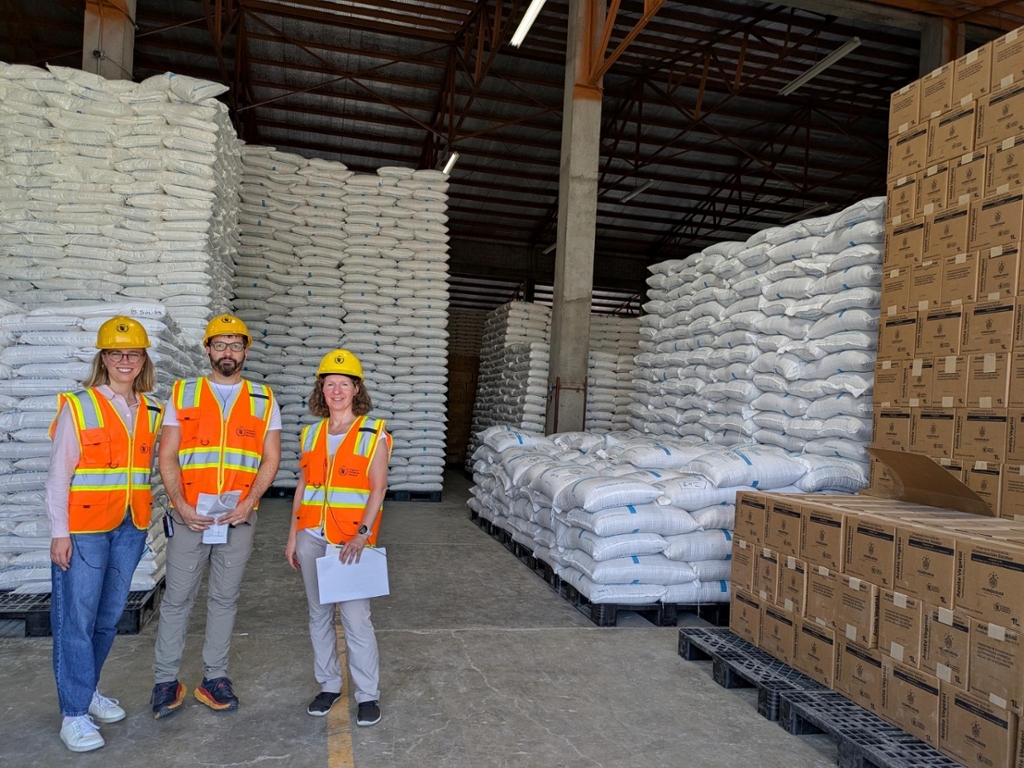
Präsident Scheller : Field visits are essential for our audits. After all, WFP's actual work takes place on site, in around 80 country offices around the world. This is where WFP fulfils its core tasks. Our auditors therefore travel up to nine countries every year – for example, Tanzania, Benin and Lebanon. Only on site can the real impact be assessed. For example, we took the concerning incidents in Ethiopia as an opportunity to go there and to acquire direct knowledge of the circumstances. Our findings are included in the ‘Summary Field Report’ . This report provides the Executive Board with valuable insights into the situation on the ground.

What role does the Executive Board play for the implementation of recommendations?

Präsident Scheller: The Executive Board is WFP’s supreme governing body and decides whether and how our recommendations are taken up and ultimately implemented by WFP. The Board must call on the management to act – and follow up persistently. In practice, this means that our recommendations can only be effective if the Board consistently follows up on the implementation. That is why it is essential not only to inform the Board, but also to strengthen its role as a supervisory body.

What issues has the WFP audit mandate focused on so far?

President Scheller: A key issue was the clear allocation of responsibilities and reporting obligations. We recommended that authorities be delegated in a traceable and transparent manner, so that it is clear who is responsible for what, and who reports to whom.

In the area of human resources management, we found that WFP paid almost $12 million over the course of one year to employees who were placed on fully paid special leave without being assigned any roles or responsibilities. That is unacceptable.

Following our recommendation, WFP also revised its accounting policies for multi-year contributions and aligned them with international standards.

We have also introduced a new part in the annual report to make the implementation of outstanding recommendations more transparent. This new follow-up mechanism for recommendations creates visibility, allowing everyone to see where recommendations have been implemented and where improvements are still pending.

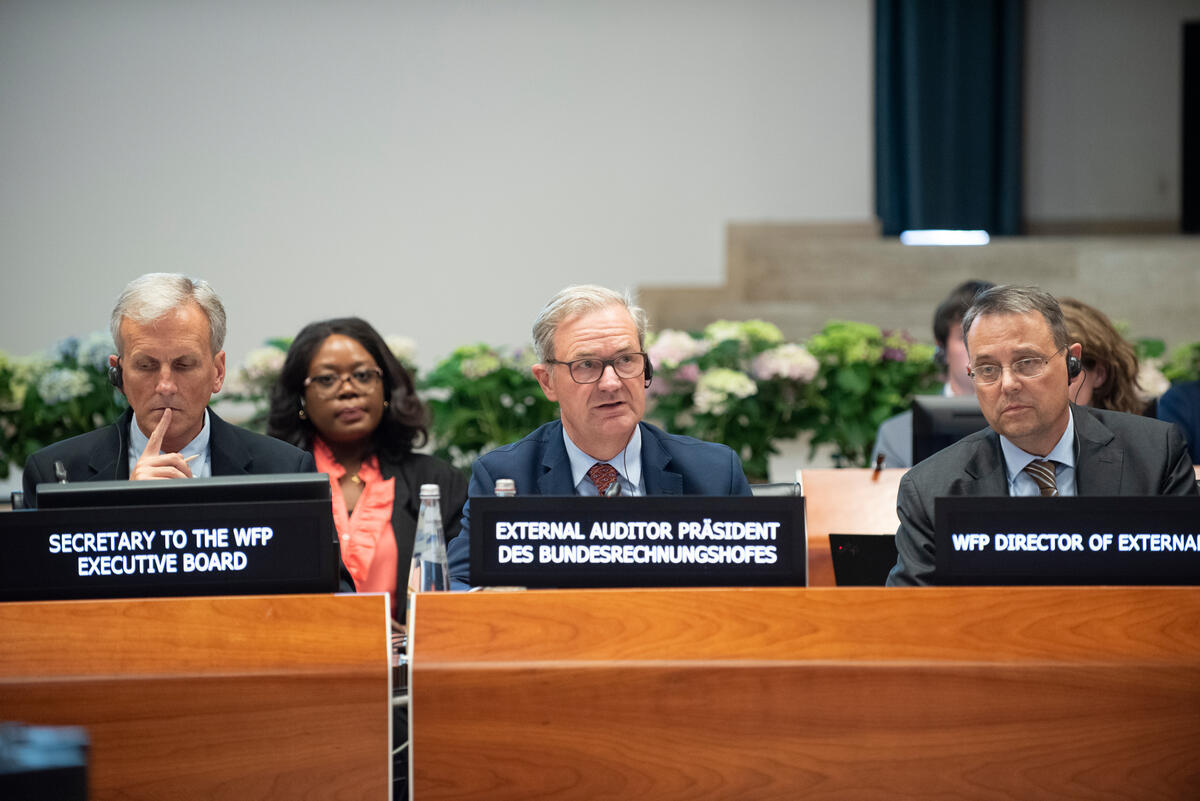
In June, you presented your report for the 2024 financial year in Rome. You held many discussions with delegations from various countries. How important are these discussions for your work as External Auditor?

President Scheller: They are crucial. A significant part of international cooperation takes place informally – through personal exchange. This allows us to explain our audit findings, foster understanding and build trust. In dialogue with the United States, France and the German delegation, we were able to give more weight to our recommendations, thereby increasing the chance that they will lead to concrete and consistent changes.

The many conversations also revealed strong interest in our work. Especially in times when international organisations are under pressure, independent auditing sends an important signal of transparency and credibility. This positive feedback motivates us to maintain a strong commitment to our efforts to strengthen WFP.

Looking back at the first half of the mandate, what is your interm assessment?

President Scheller: We see both progress and challenges. In the country offices, there is a strong willingness to implement our recommendations. At the central level, however, the implementation effort is sometimes lacking. Through our follow-up mechanism for recommendations, we provide the Executive Board with a vital tool to exert more targeted pressure on the management and to demand change. We must remain persistent in this regard.

How do you plan to proceed in the second half of your mandate?

President Scheller: The World Food Programme is an organisation with a clear humanitarian mission: Saving Lives. Right now, this task is more important than ever. But those who call for doing more with less must take reforms seriously. The WFP Executive Director herself has repeatedly articulated this goal. We take it seriously – and therefore demand consistent steps towards implementation. That is exactly what we are working on – with clarity, determination and persistence.

Background

Since July 2022, we have assumed an audit mandate of utmost importance: The World Food Programme (WFP) of the United Nations (UN) is the world’s largest humanitarian organization. WFP’s top priorities include to fight hunger, to improve nutrition, to ensure access to food and to promote sustainable agriculture.

The Executive Board appointed Kay Scheller, our President, as External Auditor for the period from 1 July 2022 to 30 June 2028.

Our mandate to audit WFP seamlessly follows our membership in the UN Board of Auditors, which ended in June 2022.

Read more on our international mandates.

Cookies