Jump to content
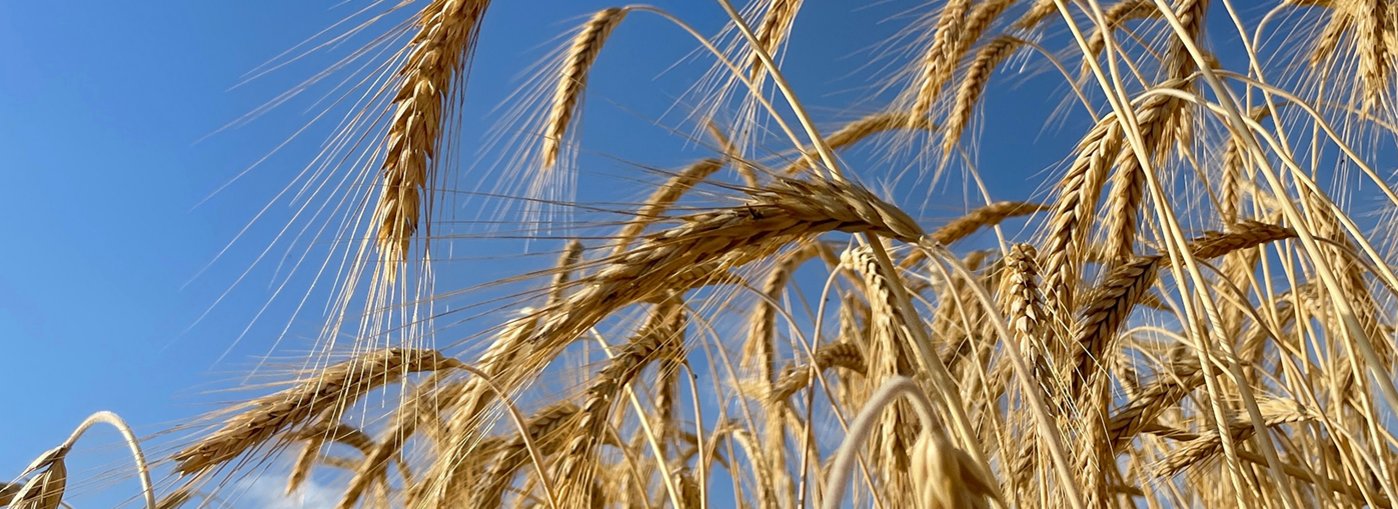
A section of a wheat field under a bright blue sky.

Date: 2024.11.28

Unprecedented: The Summary Field Report shows in detail what we do when we conduct our field visits in the regional bureaux and country offices – and thus goes beyond conventional audit reports.

Our President, Kay Scheller, presented this new report form to the WFP-Executive Board in Rome on 19 November.
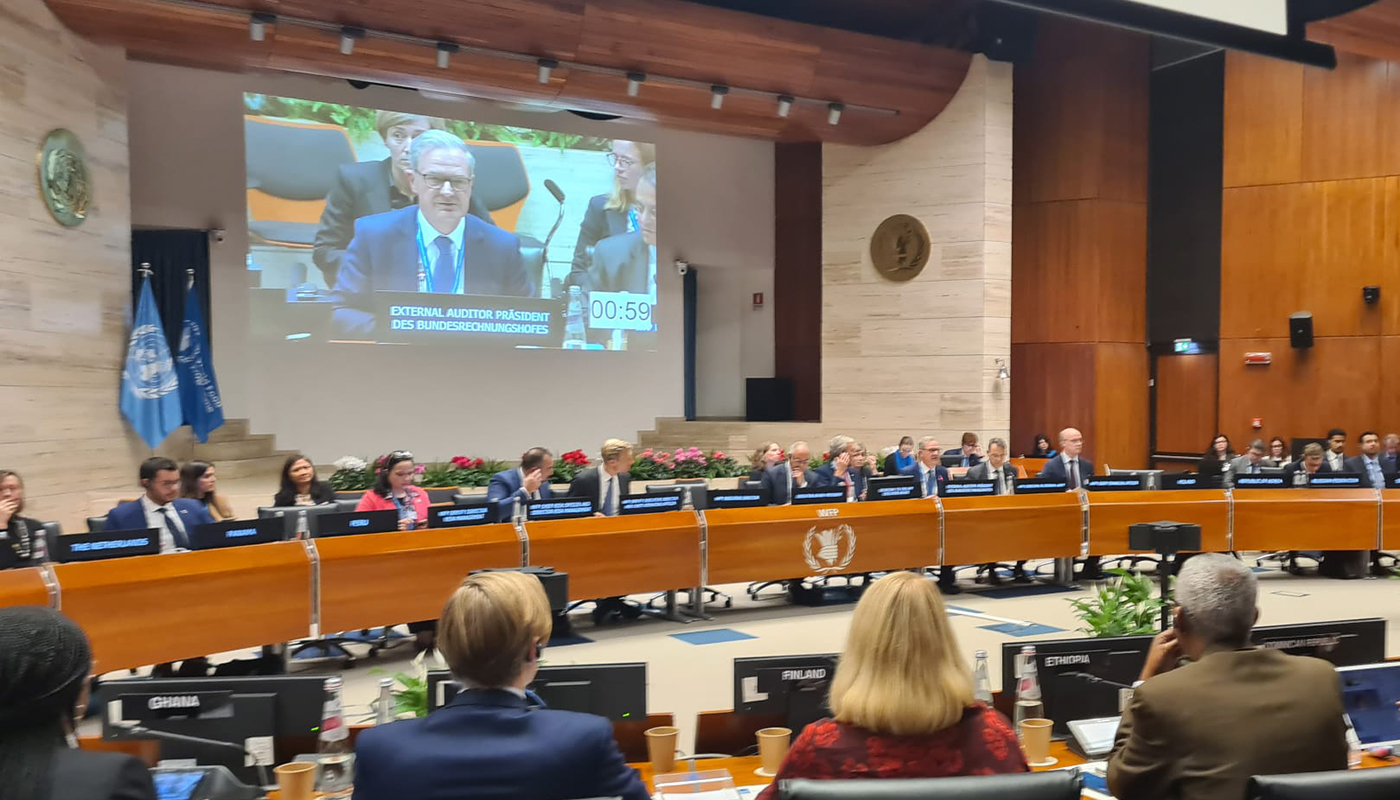
Looking back at the year 2023 – he drew a positive conclusion:

The work of the Bundesrechnungshof has an impact

In 2023, our audit team issued 106 new recommendations in eight areas. 77 per cent of the 98 recommendations from the previous year have been implemented; 21 per cent are under implementation. This shows how valuable our auditors’ commitment in the field is. Due to their work, WFP analyses its processes – to make sure that money and food are really reaching the poor and vulnerable.

What happens exactly in the field?

In 2024, we audit in the regional bureau in Bangkok and in the country offices of Benin, Turkey, Uganda and Guatemala. We focus on the cooperating partners. These are mostly NGOs (non-governmental organizations), which distribute food and cash in the respective countries on behalf of WFP. Our audit team enhances transparency: does the partner perform its tasks correctly, so that the aid really reaches people in need?

The flour mill in Samsun

An example: WFP purchases significant quantities of wheat centrally via its headquarters in Rome and sells this wheat internally to its country offices. Usually, this wheat is shipped via Turkey.

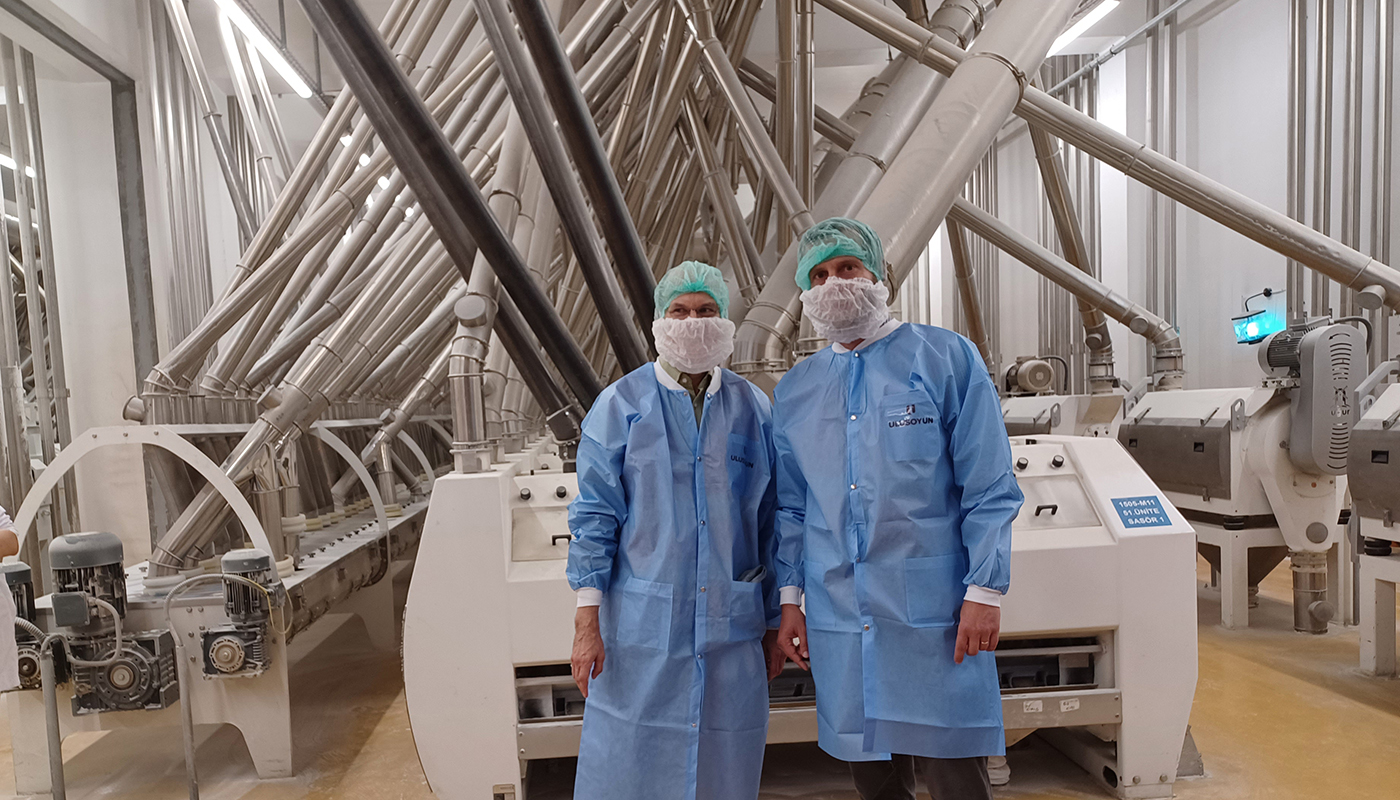
In the Turkish city of Samsun, our auditors looked at the processing of wheat in the local flour mill: the landing of the wheat at the port, the transport to the mill, the storage in the silo and the processing and shipping.

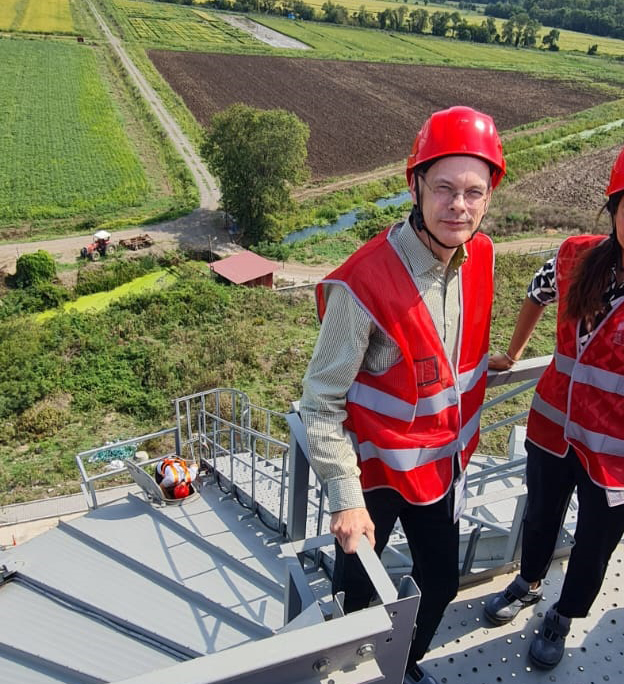
How much wheat is in the mill? The auditor, Uwe Schmidt, dared to climb on a silo. He was able to measure the filling level by using a laser pointer, matching it with the accounting data by means of a conversion formula.

WFP underlines the role of the External Auditor

In its response to our Summary Field Report, the WFP management emphasizes:

”…The External Auditor’s independent role and perspective are fundamental to […] improving the efficiency and effectiveness in the governance, administration and use of resources entrusted to it.“

Our audit team is pleased that WFP appreciates this new report as constructive support in performing its important humanitarian mandate. Together with WFP, the audit team will continue this approach: more benefits despite smaller budgets. That is our common goal.

Work and goals of UN WFP

UN WFP is the world’s largest humanitarian organization. WFP’s top priorities include to fight hunger, to improve nutrition, to ensure access to food and to promote sustainable agriculture. According to WFP, in 2023, WFP was active for more than 150 million people in 119 countries and provided people in need with food, cash and vouchers.Most of the work to help people suffering from hunger is done in crisis regions, and this often under tough and challenging conditions. WFP is headquartered in Rome from where it coordinates its more than 20,000 staff in implementing the decisions made by the Executive Board. In addition to its headquarters, WFP has six regional bureaux in Bangkok, Cairo, Nairobi, Panama City, Johannesburg and Dakar, and more than 80 country offices globally.

Cookies