Jump to content
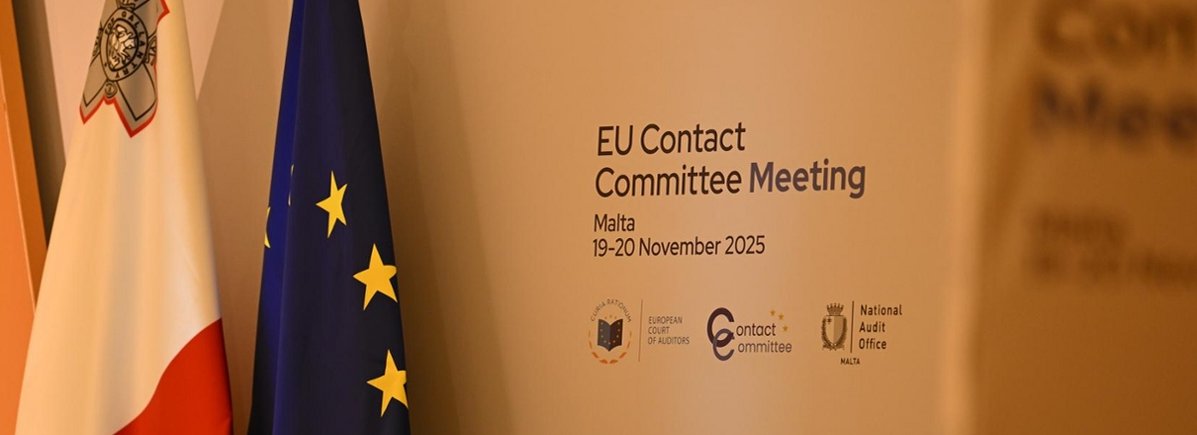
Ein Schild, auf dem "EU-Contact Committee Meeting" steht. Daneben ist die europäische und maltesische Fahne zu sehen.

Whether investments in renewable energies, digital infrastructure or research: In many areas, projects are funded from the budget of the European Union (EU). In order to ensure that these funds are used efficiently and properly, the European supreme audit institutions work closely together. One important instrument to do so is the EU Contact Committee.

The Contact Committee is the most important committee for the cooperation of the supreme audit institutions of the EU Member States and the European Court of Auditors (ECA). In this context, the supreme audit institutions share information on current audit work, working methods and results. Sharing information is of key importance to combine audit strategies and to close audit gaps.

While the ECA is responsible for auditing EU funds, the supreme audit institutions of the Member States review the use of the respective national funds. However, since the audited entities are exclusively the own governments, audit gaps may emerge. For example, the Bundesrechnungshof cannot audit the European Commission even if audit work is about the use of the German contributions to the European Union. Only the ECA may audit the European Commission. It is therefore all the more important that the national supreme audit institutions and the ECA collaborate closely. It is of equal importance that the national supreme audit institutions network in audits and topics of mutual interest. Both is key for the effectiveness of external auditing within the European Union.
Focus on the competitiveness of the European Union

The Contact Committee headed by the National Audit Office Malta met from 18 to 20 November in Floriana, Malta. The meeting focused on the following question: How can the competitiveness of the European Union be ensured? And what are the findings of the audits conducted by supreme audit institutions in areas which are of key importance for the competitiveness?

In addition to other questions, the supreme audit institutions discussed the following questions:

  • How can the competitiveness be enhanced?
  • Which areas and challenges are of particular relevance in this context?
  • What are the audit findings of the supreme audit institutions in this context?

What role does a secure and affordable energy supply play?

A particular focus was placed on the impact of energy security and energy prices on the competitiveness of the European Union. The supreme audit institutions shared their lessons learned, showed successful audit approaches and talked about challenges in this sector.

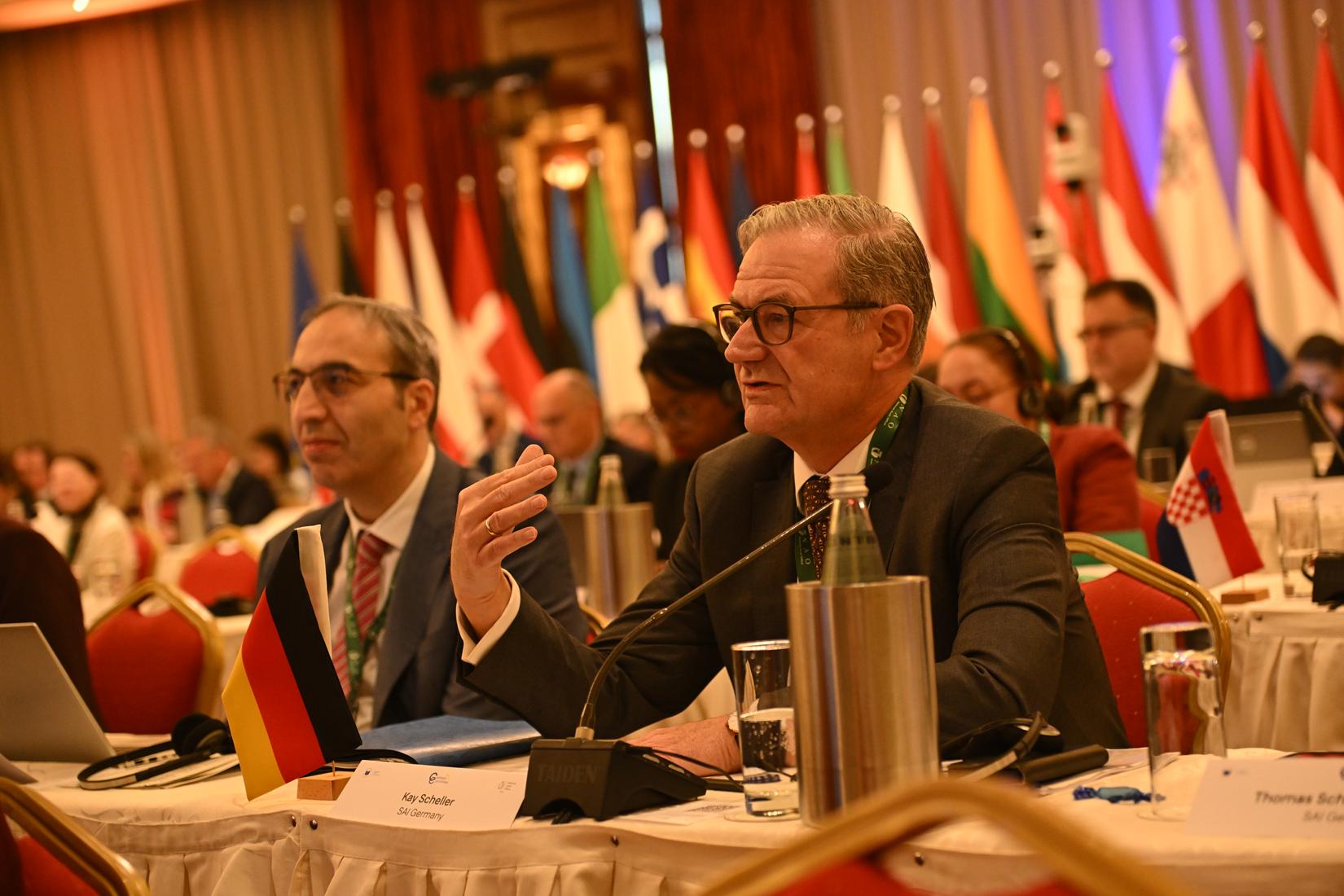
Kay Scheller, our President, shared insights from the audit of the hydrogen strategy of the Federal Government and presented key findings:

  • For some industries, hydrogen is the only option to become climate neutral.
  • However, the supply with hydrogen is still limited – the German import needs alone would cover three quarters of the global supply in 2030.
  • The demand for hydrogen has also fallen short of expectations due to the high prices.
  • The measures taken to subsidise supply and demand have not paid off so far and could continue to place a heavy burden on the budgets in the future.
Cookies